
Built From Years of Doing Outbound the Hard Way.
MunchReach was born from years of working directly in client acquisition, cold outreach, lead generation, sales systems, and campaign management.
Before MunchReach became a platform, its core problems were experienced firsthand by Anas Khalid, Founder of MunchReach, while running real outbound campaigns and building client acquisition systems.
THE STARTING POINT
2020
Client acquisition came first. The product idea came later, shaped by the work.
Dropped Out. Failed. Kept Building.
The MunchReach story did not begin with a polished startup plan.
Anas Khalid left college and took a path built around practical experience rather than a traditional college-to-career route. In 2020, the early focus was client acquisition: learning how businesses find customers and what makes outbound work.
There was no perfect roadmap. Some businesses and projects worked; others did not. Successful campaigns, failed campaigns, difficult conversations, and continuous testing all contributed lessons that later shaped MunchReach.
Leaving college was not a shortcut to success. It simply meant that many of the next lessons came through direct execution in sales, messaging, and client acquisition.
2020
Where It Started
The founder stepped into client acquisition in 2020. The learning came through actual execution rather than theory.
Cold email
Cold calling
Lead generation
Sales
Follow-ups
Offers
Prospect research
Client acquisition
Real conversations, ignored emails, rejected offers, successful campaigns, failed campaigns, and continuous testing created a practical education in outbound.
Failed Businesses. Useful Lessons.
Not every business worked. Not every campaign worked. Not every offer found the right market.
Those failures were not rewritten as hidden successes. They were simply part of the process.
They did, however, create practical understanding of how prospects think, why people reply, why messages are ignored, what makes an email relevant, and what makes automated outreach feel automated.
Years of Doing the Work
The founder continued building and operating client acquisition systems and agencies, working across cold outreach, lead generation, campaigns, messaging, offers, follow-ups, personalization, deliverability, reply management, sales systems, and automation.
As more campaigns were managed, one problem became increasingly clear: outbound was not one task. It was a connected workflow spread across too many tools.
Years of Learning Outbound the Hard Way
From the outside, outbound can look simple: find a prospect, send an email, and get a reply. In practice, every step contains its own decisions, systems, data, tools, and potential points of failure.
- 01
The right prospect
- 02
The right message
- 03
The right timing
- 04
The right follow-up
- 05
The right mailbox
- 06
The right sending pace
- 07
The reply
- 08
The next action
Years of working through those details created the experience that eventually shaped MunchReach.
30M+
Cold Emails Sent
More than 30 million cold emails represent years of testing, learning, rebuilding, and understanding what happens when outbound systems are placed in front of real prospects.
From Running Outreach for Clients to Building the Platform
Years of agency and client acquisition work exposed the limitations of disconnected tools. Managing multiple clients made every handoff between those tools more painful.
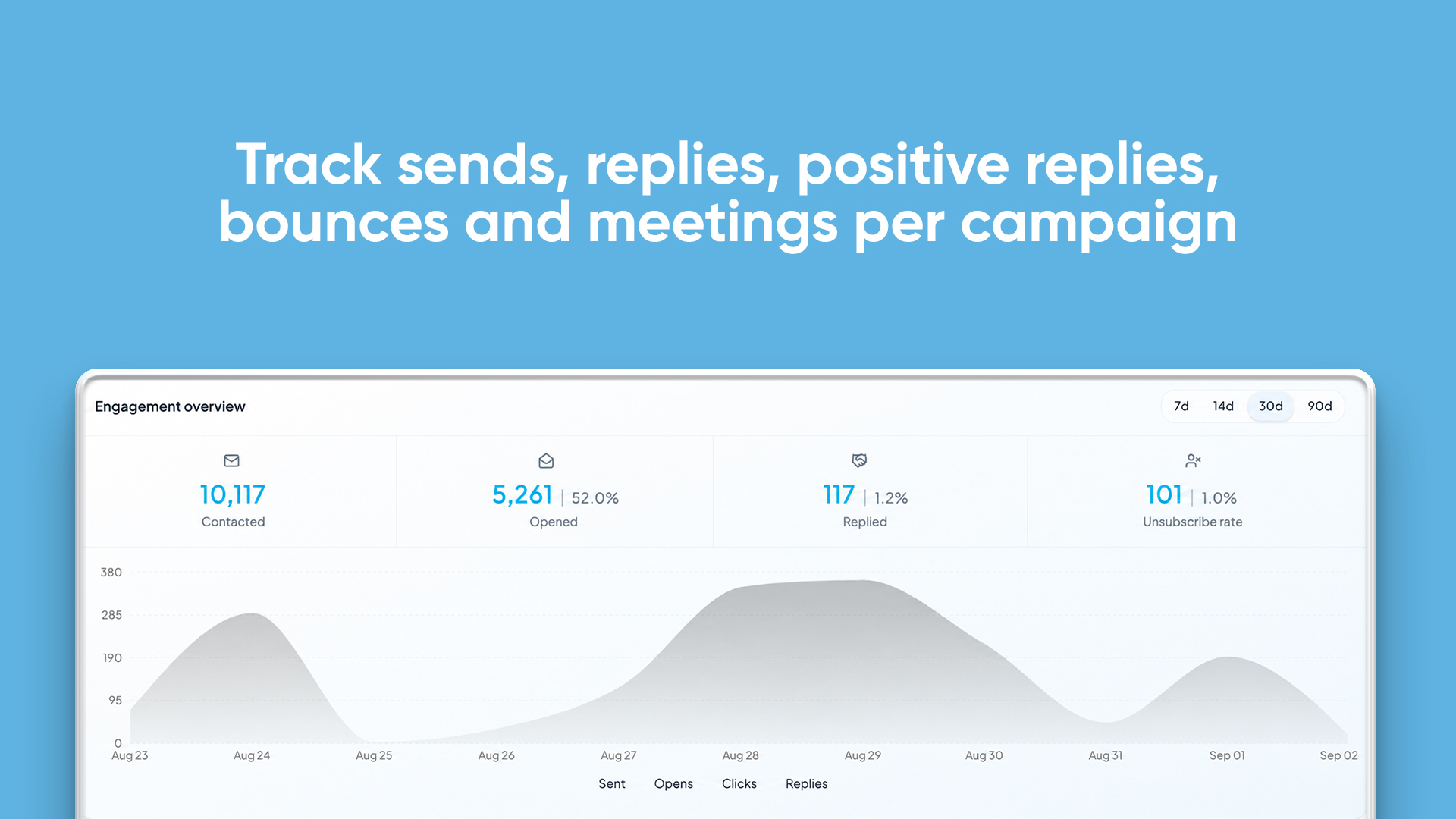
The problem was not that individual tools were useless. The problem was that the workflow was fragmented. Campaigns lived in one place, leads in another, replies somewhere else, and analytics somewhere else again.
The MunchReach idea emerged from that operational reality.
Campaigns
Another place to manage
Leads
Another place to manage
Inboxes
Another place to manage
Warmup
Another place to manage
Analytics
Another place to manage
CRM
Another place to manage
Automation
Another place to manage
There had to be a better way to run outbound.
Why MunchReach Was Built
MunchReach was not created simply to add another cold email tool to an already crowded market.
It was built from a practical problem: businesses running outbound were forced to manage too many disconnected systems. The goal was to bring the workflow closer together and make outbound easier to manage from one connected workspace.
Built From Real Problems, Not Just Product Ideas
Building software is a different challenge from running an agency. With an agency, a broken process can sometimes be fixed manually. With software, the system itself has to work repeatedly, reliably, and at scale.
That difference shaped how MunchReach is being built.
The Work Does Not Stop at Launch
Launching a product is not the finish line.
MunchReach continues to evolve through customer feedback, real usage, technical testing, product iteration, and the problems that only become visible when software is used at scale.
- Listening to customers
- Finding bugs
- Improving workflows
- Rebuilding weak systems
- Testing new features
- Improving reliability
- Simplifying the product
What Years of Outbound Taught MunchReach
- 01
Good outbound starts with the right prospect.
Better targeting gives the message a reason to matter before a word is written.
- 02
Personalization should make a message more relevant, not more robotic.
The goal is not to prove that software found a detail. The goal is to make the conversation more relevant.
- 03
Follow-ups matter as much as the first email.
Good sequences respect timing and context instead of simply repeating the same message.
- 04
Software should remove work.
A platform should simplify the workflow, not create another dashboard that needs attention for its own sake.
- 05
The best product decisions start with real problems.
MunchReach should remain close to the problems experienced by businesses actually running outbound.
Building the Complete Outbound Workspace
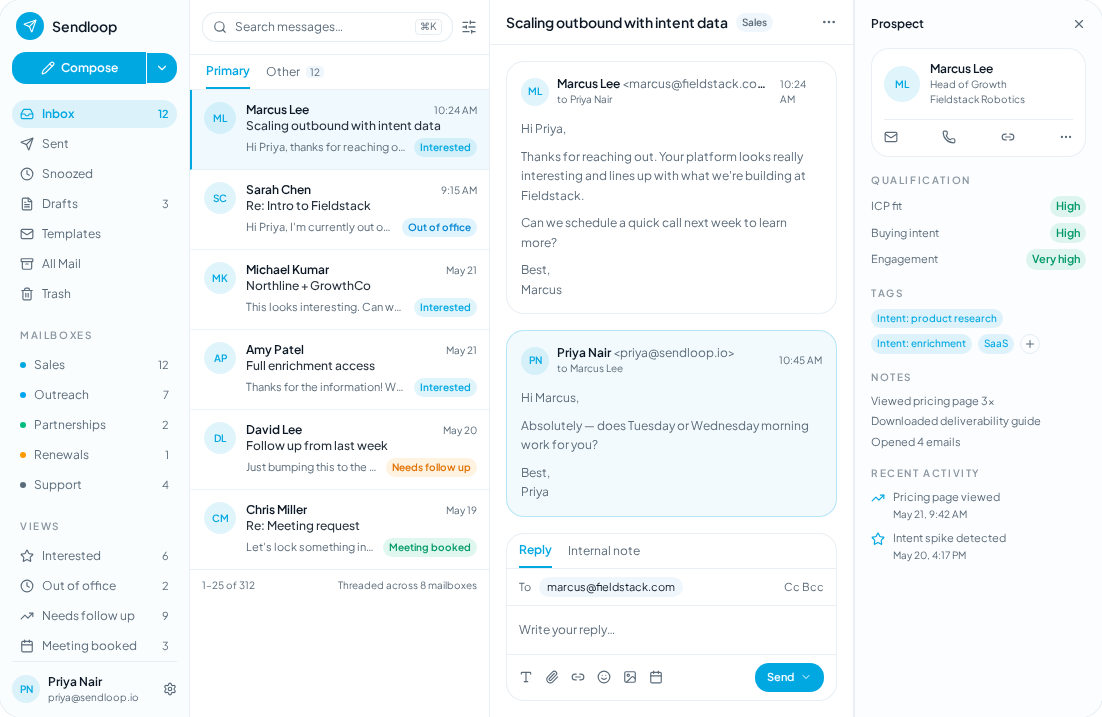
MunchReach is being built toward a simpler, more connected workspace for businesses that rely on outbound. The goal is not to add features simply to make the platform bigger.
The goal is to connect the workflows businesses already depend on: lead management, campaigns, sequences, AI personalization, sending, replies, CRM, analytics, and automation.
Still Building. Still Learning. Still Listening.
MunchReach started with years of hands-on experience in client acquisition and outbound. That experience became a product.
The product is now being shaped by real customers, real campaigns, real feedback, and the same principle that started the journey: solve problems that actually matter.
Built by Anas Khalid, Founder of MunchReach, and the team behind the platform.